Firestorm
New World Interactive
Overview
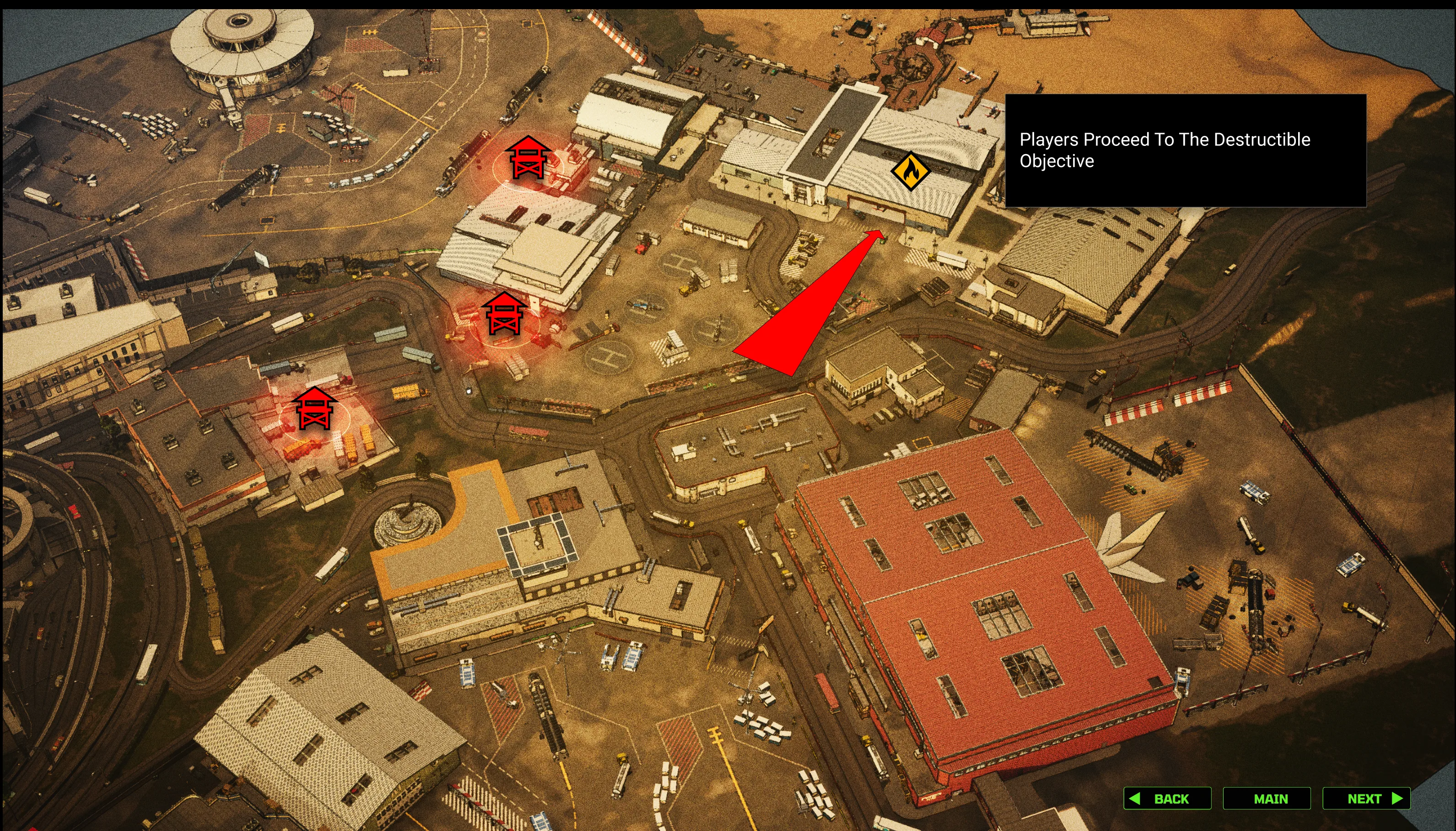
Near the end of the project, Sabre asked for clearer mission design—but we still couldn't show much in-game. So I put together animated sequences and click-throughs that captured the full UX intent, with as much UI as we could realistically mock at the time. I worked closely with three really talented (and genuinely fun) designers, and I handled the rendering and overall presentation so it felt like one coherent experience. Since the engine visuals weren't ready, I leaned into a toon-shader style—a deliberate "honest placeholder" look. It was very much a "fake it until the build catches up" moment, and it worked: Sabre could finally see exactly what we were proposing to ship.
Destroy Objective
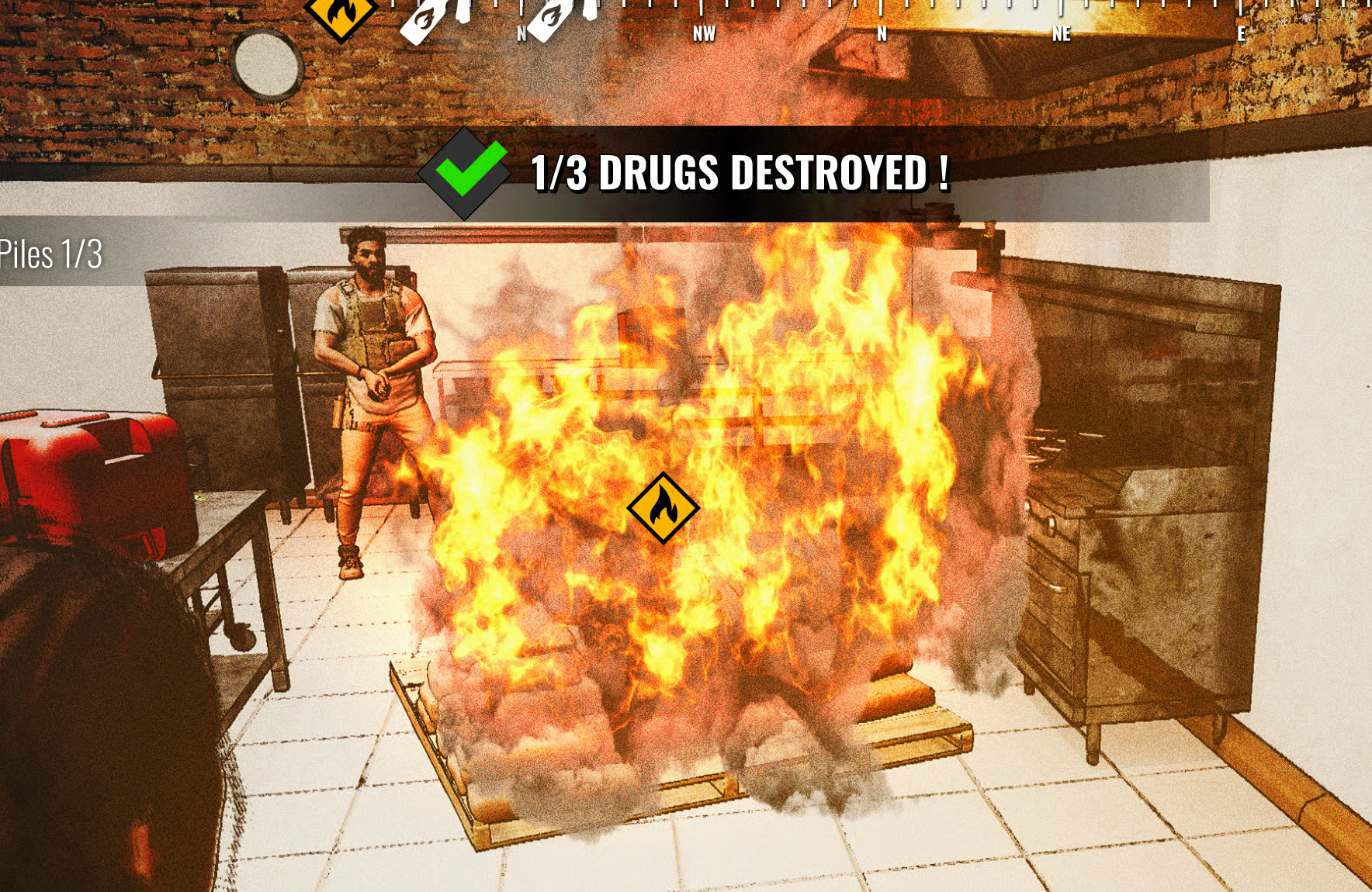
"Destroy the Objective" was one of the most fun pieces to build, mostly because the feature wasn't fully implemented yet—and that actually made the value of UX impossible to ignore. It let us demonstrate how clear player guidance helps people understand the mission, what to do next, and where to go, even when the underlying systems are still in progress.
It also solved a real team problem: some developers felt the Confluence docs were too dense and just wanted to see the experience. This animation became the bridge. It showed Sabre exactly what we were building, and it got the wider dev team aligned quickly because they could watch the flow instead of interpreting pages of text.
For me it was one of those rare "meeting of the minds" moments—UX and game design working together in the most practical way: make it clear, make it playable, and make it easy for everyone to rally around.
Destroy Objective
An example of an Objective
Level Bricks
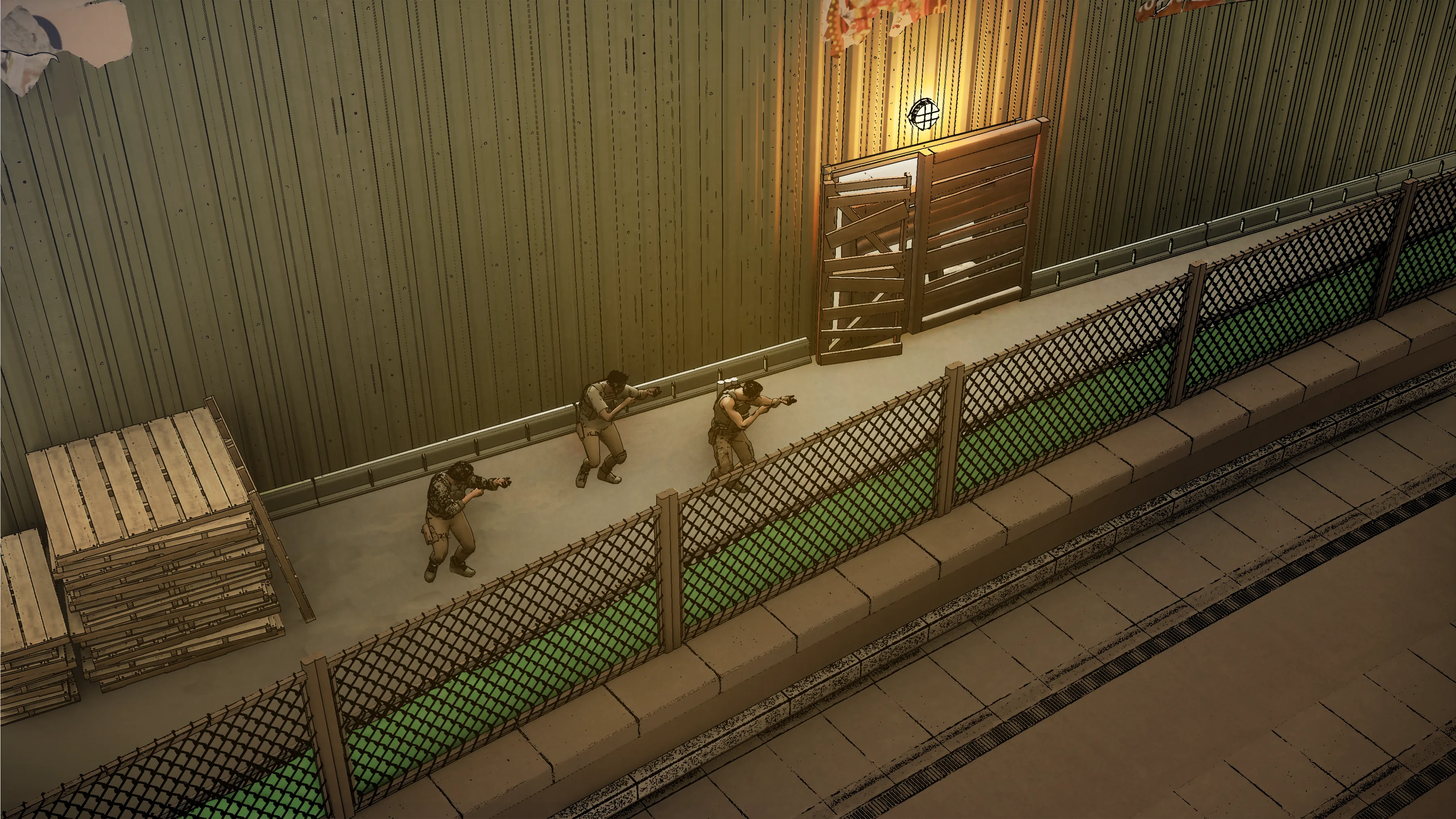
The "level bricks" animation was built to clearly show what modules could appear each run, and how the player would deal with them—different detection types, traps, and obstacles. We also used it to demonstrate the tactical loop: what happens when you're detected, how escalation works, and the options a player has to recover and push forward.
Level Bricks
Dynamic Level Obstacles
Player Behavior
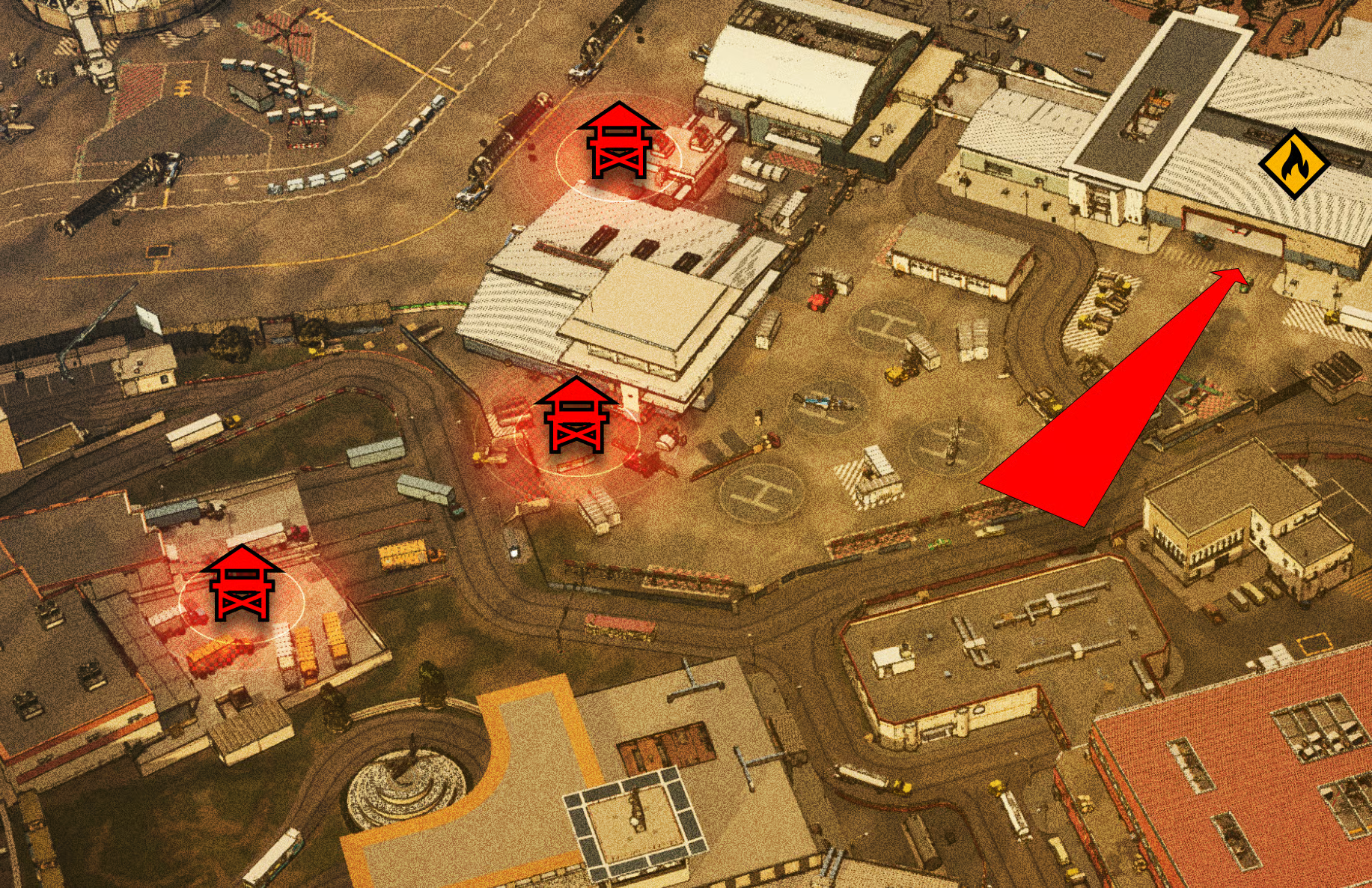
The player behavior animation focused on why a player would make certain choices during a proposed mission, and what the consequences would be if they chose poorly. The goal was to show the tactical decision-making loop—where you insert, how you move, what risks you take, and how you complete objectives—along with the tradeoffs and costs/benefits behind each approach.
Player Behavior
Why a Player would Choose a Path